Why a Cluttered Workspace Is Draining Your Energy
Most of us can relate to sitting down to work, full of enthusiasm for getting through a large to-do list, only to feel tired and distracted an hour later.
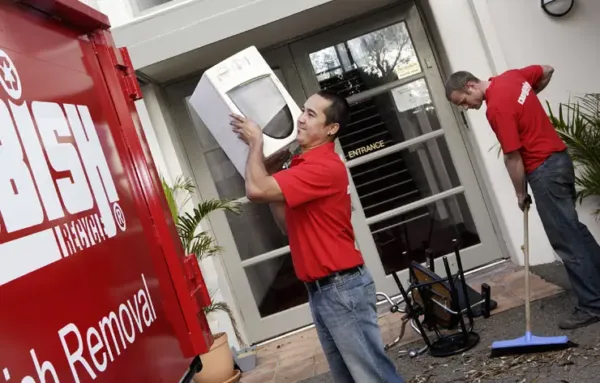
However, while many might attribute this feeling to workload, it may actually result from another issue. Clutter. Several studies have suggested that a cluttered workspace might significantly impact your productivity. So, if there are pile of papers beside your keyboard, unused equipment directly in your vision or a cupboard that looks to be bursting at the seams, its time to do something about it. Here is why a cluttered workspace could be draining your energy. You might not realise this, but every object in your line of sight gives your brain something else to notice. A stack of unopened mail, for instance, might remind you about an unpaid invoice. An old monitor may bring up the task of arranging e-waste recycling. Even a box on the floor becomes one more job waiting to be finished. Collectively, these small reminders can drain your mental energy throughout the day. Therefore, instead of concentrating entirely on your current task, part of your attention naturally drifts to the disorder around you. At the same time, a crowded office can affect you physically. For instance, you might need to move boxes around. Reach over piles. Or work in poor posture because your desk is short on usable space. These minor frustrations can eventually take its toll. Especially when you spend eight hours or more at work. If your workplace has accumulated broken furniture, redundant equipment or large amounts of waste, arranging for an office rubbish removal service may be a more practical solution than asking employees to clear everything up themselves. Your brain is a wonderful thing. But it has a limited capacity for attention. Subsequently, when your desk is covered with notebooks, coffee cups, cables, receipts and stationery, each item becomes visual competition for the work in front of you. Imagine how hard it would be trying to write a report while several people are talking nearby. Sure, you may be able to keep working. But you will probably need to put in more effort to stay focused. Visual clutter can have a similar effect because it creates quiet distractions that continually pull at your attention. In fact, a messy desk can also slow down simple tasks. Particularly if you lose a few minutes looking for a document, then another few minutes searching for a charger. In isolation, these activities might not seem to be that disruptive. But once your concentration has been interrupted, it can take time to return to what you were doing. By its very nature, clutter represents unfinished business. Papers need to be filed. Boxes need to be unpacked. Unwanted items need to be removed. All are tasks that need to be completed. For this reason, seeing them throughout the day can leave you feeling like your workload is growing. Even if none of those objects relates to your immediate responsibilities. Notably, this can be quite particularly tiring for people who work from home because when their office shares space with a bedroom, lounge room or dining area, workplace mess may remain visible long after the working day has ended. Subsequently, it might become harder to switch off. There is also the issue that a crowded shared office may cause tension with your fellow workers. Not least because one person's acceptable level of mess may differ considerably from yours. Office clutter comes in many forms, and sometimes it is not immediately obvious. In fact, some items remain in place for so long that people stop noticing them. Some of the biggest culprits include: Piles of printed emails, duplicate reports, outdated brochures and meeting notes can quickly take over your desks and cabinets. However, one easy way to prevent this from happening is to sort paperwork into documents that must be retained, items that can be scanned, and papers that can be securely shredded. Make sure to check for any legal or business record-keeping requirements before disposing of financial, employee, or customer documents. Old computers, monitors, printers, cables, and office phones are common in many offices, and they are often stored because nobody knows what to do with them. While it's tempting to put electronic items in general waste, it is not advisable, as many contain materials that can be recovered through e-waste recycling. Before removing a computer, phone or storage device, remember to erase all confidential information. The last thing you'll want is for them to fall into the wrong hands. Damaged chairs, surplus desks and empty shelving units can take up a surprising amount of floor space. Additionally, kitchens and storerooms may also collect excess packaging, along with outdated supplies and appliances that no longer work. Depending on the piece of machinery, some large items can be difficult to lift and transport safely. For this reason, businesses should consider using outside assistance to help remove them.How Does Workspace Clutter Affect Your Energy?
Why Does a Messy Workspace Make It Harder to Focus?
Can Office Clutter Increase Stress and Mental Fatigue?
What Types of Clutter Commonly Build Up in an Office?
Paperwork and Old Documents
Broken Equipment and Unused Electronics
Unwanted Furniture and General Office Waste



MORE
GIRL.COM.AU
CONTACT US
FOLLOW US ON