10 Signs Your Dog or Cat Might Be Feeling Anxious
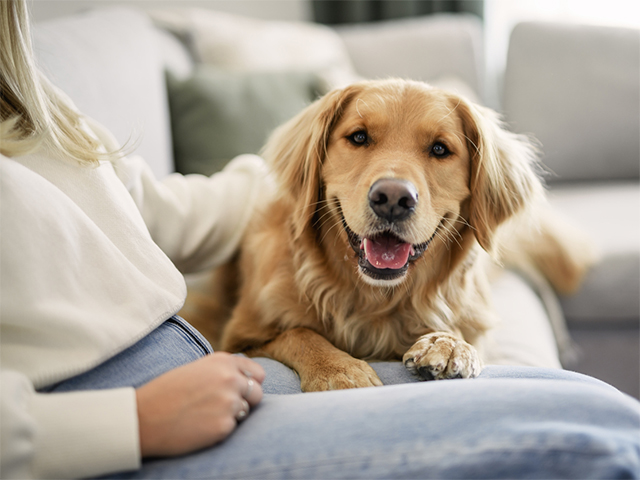
Our pets might not be able to text us when they're having a bad day, but they definitely have ways of showing us when something isn't right. If your normally playful dog suddenly starts destroying shoes or your cat disappears under the bed every time someone visits, anxiety could be the reason.
Just like people, pets can feel stressed by changes, scary situations, or being left alone. The good news? Once you know what to look for, there are lots of ways to help them feel happier and more secure.
What Makes Pets Feel Anxious?
Anxiety isn't always caused by one big event. Sometimes it's the little things that build up over time.
Common triggers include:
-
Being home alone for long periods
-
Loud thunderstorms or fireworks
-
Moving to a new house
-
A new pet or baby joining the family
-
Busy visitors at home
-
Changes to their daily routine
-
Past trauma or neglect
Some pets bounce back quickly, while others need a little more reassurance.
Signs Your Dog Might Be Stressed
Dogs usually wear their emotions on their furry sleeves. Watch out for behaviours like:
-
Barking or whining when you leave
-
Chewing furniture or shoes
-
Pacing around the house
-
Following you everywhere
-
Shaking during storms
-
Licking their paws constantly
-
Toilet accidents indoors
If your dog suddenly acts differently, it's worth paying attention.
Signs Your Cat Might Be Feeling Anxious
Cats can be much more subtle. Instead of making a fuss, they often withdraw.
Look for signs such as:
-
Hiding more than usual
-
Skipping meals
-
Over-grooming until fur falls out
-
Hissing or becoming grumpy
-
Going outside the litter tray
-
Meowing more than normal
Even moving furniture around can throw some cats off!
Anxiety Can Affect Their Health Too
Stress doesn't just change behaviour. It can also lead to physical symptoms like:
-
Upset stomach
-
Vomiting
-
Diarrhoea
-
Weight loss
-
Panting
-
Sleeping more than usual
If these symptoms appear suddenly, it's always a good idea to book a visit with your vet to rule out medical problems first.
Easy Ways to Help Your Pet Relax
The best treatment often starts at home.
- Stick to a Routine
- Pets love knowing what to expect.
- Try feeding, walking and playing at roughly the same times every day.
- Give Them a Safe Space
- Create a quiet area where your pet can escape when life feels overwhelming.
- A comfy bed, favourite blanket or cosy crate can become their own little sanctuary.
- Keep Their Brain Busy
- Mental stimulation helps reduce boredom, which can make anxiety worse.
Try:
-
Puzzle toys
-
Treat-dispensing balls
-
Snuffle mats
-
Training games
-
Interactive play sessions
A tired pet is often a calmer pet.
Exercise Really Helps
Daily walks, games of fetch or laser pointer sessions (for cats) can burn off nervous energy and improve mood.
What About Separation Anxiety?
Many pets struggle when their humans leave for work or uni.
If your dog cries as soon as you grab your keys or your cat becomes destructive while you're out, separation anxiety could be the cause.
A few things that may help:
-
Leave favourite toys behind.
-
Avoid making a huge fuss when leaving.
-
Build up alone time gradually.
-
Consider a pet sitter or dog walker for long days.
-
Leave calming background music playing.
Small changes can make a big difference over time.
Do Calming Products Actually Work?
Some pets respond really well to calming products, including:
-
Pheromone diffusers
-
Anxiety wraps
-
Calming sprays
-
Vet-approved supplements
Every pet is different, so you may need to try a few options before finding the right fit.
Always speak with your vet before giving your pet any supplements or medication.
When Should You Get Professional Help?
If your pet's anxiety is becoming severe, don't wait.
Book an appointment if they're:
-
Hurting themselves through excessive licking or chewing
-
Refusing to eat
-
Becoming aggressive
-
Constantly distressed
-
Losing weight
A vet or qualified animal behaviourist can help identify the cause and recommend the best treatment plan.
Your Pet Isn't Being "Naughty"
One of the biggest misconceptions about anxious pets is that they're misbehaving on purpose. In reality, they're often scared, confused or overwhelmed. A little patience, consistency and understanding can go a long way in helping them feel safe again.
After all, they're there for us on our hardest days, it makes sense to return the favour when they need us most.
Image credit istock LSOphoto



MORE
GIRL.COM.AU
CONTACT US
FOLLOW US ON