Patches for pimples: how they actually work, and when to reach for one
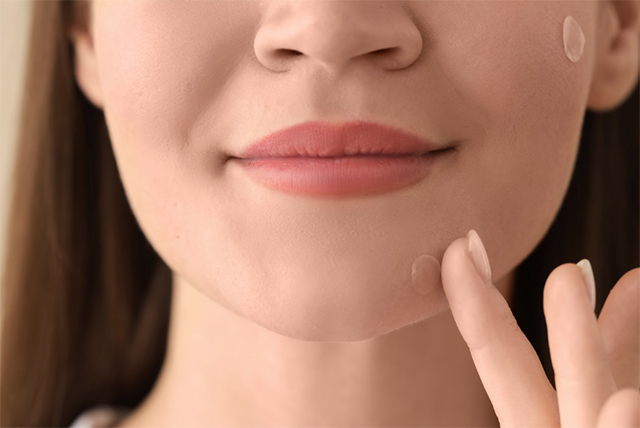
(Feature Image: Pimple patches and how they work. Credit: Pixelshot/Canva)
They turn up on celebrity selfies, in your local pharmacy and all over your feed: small, round stickers promising to shrink an angry breakout overnight. Patches for pimples have gone from niche to everywhere in just a few years, and for good reason, they can genuinely help. But they are also widely misunderstood, and using the wrong one at the wrong moment is the difference between waking up to calmer skin and wondering why the sticker did nothing at all. Here is a clear, honest guide to how these little patches work, the different types on the market, and exactly when they are worth reaching for. Most patches for pimples are made from hydrocolloid, a gel-forming material that has been used in medical wound dressings for decades. That medical heritage is the whole point. When a hydrocolloid patch sits over a blemish that has come to a head, it absorbs the fluid and oil from the spot, drawing it up into the patch where it forms a soft gel. That is why a patch often turns cloudy or white after a few hours: it has pulled the gunk out of the pimple. The absorbing action is only half the benefit. The patch also seals the area off, which keeps bacteria out and, just as importantly, keeps your fingers off. A huge amount of the damage we do to our own skin comes from picking and squeezing, which pushes bacteria deeper, spreads inflammation and is the leading cause of the scars and dark marks a breakout leaves behind. A patch is, in part, a physical promise to leave the thing alone while it heals. Not all patches for pimples are the same, and matching the type to the blemish is where most people go wrong. Plain hydrocolloid patches are the originals. They are typically clear or matte stickers with no added active ingredients, and they are best for blemishes that have already surfaced, the classic whitehead with visible pus near the top. On those, a plain patch can make a noticeable difference in a matter of hours. They are gentle, suitable for sensitive skin, and double as an effective anti-picking shield. Medicated patches add active ingredients to the hydrocolloid, most commonly salicylic acid to help unclog the pore, sometimes tea tree, niacinamide or other soothing extracts. These suit a spot that feels inflamed or congested but has not fully come to a head, where a little extra ingredient help earns its place. Research on medicated hydrocolloid patches has found they can calm inflammatory spots faster than plain patches alone. Microneedle patches are the newest category and work differently again. Instead of sitting on top, they carry tiny dissolvable needles that deliver ingredients such as salicylic acid, niacinamide or hyaluronic acid just below the surface. Because they reach deeper than a surface patch, they are aimed at the stubborn, under-the-skin bumps that never quite form a head, the kind a standard hydrocolloid sticker cannot do much with. This is the part the marketing tends to skip. Patches for pimples are very good at one specific job and not much use outside it, and knowing the boundary saves you money and frustration. Because the magic is mostly absorption, patches work best when there is something at the surface to absorb. A whitehead that has come to a head is the ideal candidate. Deep cystic acne, the painful, blind lumps that sit far below the surface with no visible opening, is a different problem. As dermatologists at Cleveland Clinic explain, there is simply nothing at the surface for a hydrocolloid patch to draw out, so a plain patch will not do much for a cyst. Medicated or microneedle versions can help a little more, but genuinely cystic, recurring acne is a medical issue best managed with a doctor or dermatologist rather than a sticker. It is also worth being realistic about the evidence. Patches are a useful tool, but health experts note that more research is still needed to know exactly how they compare with traditional spot treatments. They are a smart way to manage the occasional breakout, not a cure for acne as a condition. If you are breaking out constantly, the answer lies in your overall routine and possibly professional treatment, not in buying more patches. Even the best patch will underperform if you apply it wrong, and the most common mistake is putting it on at the wrong stage of your routine. Start with clean, dry skin. Cleanse, pat completely dry, and apply the patch before any serums, oils or moisturisers, because hydrocolloid will not stick to a damp or freshly moisturised face, and a patch that lifts at the edges cannot do its job. Apply it directly over the blemish and leave it in place for several hours or overnight; many are designed to be worn while you sleep. When the patch has turned opaque or cloudy, it has absorbed what it can, and that is your cue to remove it and apply a fresh one if needed. A few extra pointers. Patches work on a spot that has surfaced, so resist the urge to apply one to a blemish you can only feel, not see. Don't pop a pimple first and then patch it, broken skin invites infection; let the patch do the drawing-out instead. And while many are thin enough to wear invisibly under makeup during the day, they generally work best worn bare overnight when nothing is competing with the seal. (Graphic: How to use pimple patches. Credit: Custom) When you are comparing patches for pimples, look past the packaging. The most effective options use genuine hydrocolloid rather than a generic plastic sticker, state clearly whether they are plain or medicated so you can match them to your breakout, and, in the case of medicated ones, name their active ingredients rather than gesturing vaguely at "blemish-fighting" power. A small, well-made hydrocolloid patch used at the right moment will outperform a fancier one used on the wrong kind of spot every time. Used well, patches for pimples are one of the simplest, lowest-risk additions to a skincare kit: a way to speed along the occasional breakout, protect the skin while it heals and, above all, stop you undoing the progress with your own fingers. Keep a sheet in your bathroom drawer and another in your bag, match the patch to the blemish, and let the quiet little sticker do the work.
What a pimple patch actually does
The different types, and what each is for
The honest limits: what patches can't fix
How to use them properly

Choosing well


MORE
GIRL.COM.AU
CONTACT US
FOLLOW US ON