Why Your Haircare Routine Should Start Before You Sleep
Most women think of haircare as something that happens in the morning.
A quick brush before heading out. A spritz of heat protectant before styling. A smoothing serum to tame flyaways. A few extra minutes with the straightener or curling wand before work, uni, school drop-off or dinner plans.
But healthy, manageable hair does not begin when the alarm goes off.
It begins the night before.
What happens while you sleep can have a major impact on how your hair looks and feels the next morning. Frizz, tangles, flattened curls, dry ends and breakage around the hairline are often not caused by one bad styling product. They are caused by hours of friction, moisture loss and movement against your pillow.
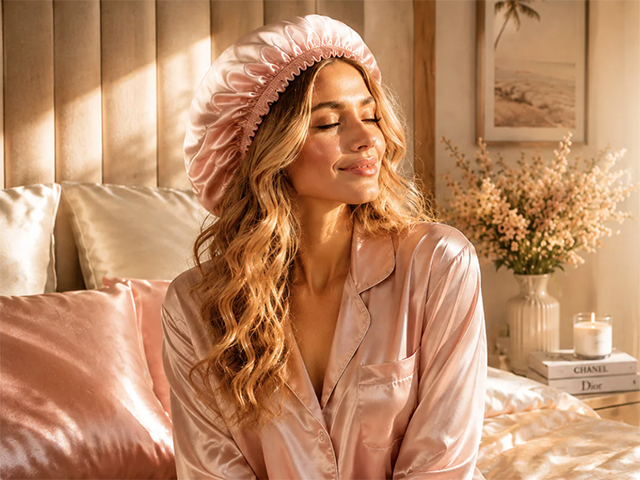
That is why more Australian women are rethinking their night-time beauty routines. Simple changes, such as protecting the hair with a silk bonnet from Silk Bonnet World AU, can help reduce friction overnight and make morning hair easier to manage.
It is not about adding another complicated step.
It is about protecting the work already done.
The Problem with Morning-Only Haircare
Morning haircare often focuses on fixing damage after it has already happened.
Hair feels dry, so you add oil.
Curls have lost shape, so you re-wet and restyle.
Frizz appears, so you smooth it down with serum.
Ends look rough, so you reach for heat tools.
These quick fixes may work temporarily, but they do not always address the cause.
If your hair is being rubbed, flattened and dried out for six to eight hours every night, the morning routine becomes a repair job. You wake up needing to undo the effects of sleep before you can even start styling.
That cycle can become exhausting, especially for women with curly, wavy, textured, coloured or heat-treated hair.
A better approach is prevention.
Instead of waiting until morning to fight frizz and tangles, a night routine helps protect the hair before problems begin.
What Happens to Your Hair While You Sleep?
Sleep feels still, but your hair is moving more than you think.
Throughout the night, you turn your head, shift positions and press your hair against the pillow. Each movement creates friction between the hair and the fabric beneath it.
For some hair types, this may only cause minor flattening. For others, especially curls or dry hair, it can lead to noticeable disruption.
Common overnight hair problems include:
● Frizz around the crown and hairline
● Tangled lengths
● Flattened curls or waves
● Dry ends
● Breakage near the face
● Loss of volume
● Rough texture in the morning
The fabric you sleep on plays a major role.
Cotton pillowcases are common, but cotton is absorbent and has more surface texture than silk. This means it can pull moisture from the hair and create resistance as strands rub against it.
Over time, that friction can contribute to dryness and breakage.
Why Australian Hair Needs Extra Protection
Australian weather can be tough on hair.
Humidity in coastal cities such as Sydney, Brisbane and the Gold Coast can make frizz harder to control. Dry heat in areas such as Perth and Adelaide can leave hair feeling rough or dehydrated. Air-conditioning, UV exposure, salt water, chlorine and seasonal changes can all affect hair texture.
Even if you use good products during the day, the environment can make your hair more vulnerable by night.
Curly and wavy hair may expand in humidity.
Coloured hair may feel drier after sun exposure.
Fine hair may become tangled more easily.
Heat-styled hair may lose its smooth finish overnight.
Because Australian conditions can change so quickly, overnight protection becomes even more valuable.
You cannot always control the weather, but you can control how much friction your hair experiences while you sleep.
Why Silk Has Become a Night-Time Beauty Essential
Silk has become popular in beauty routines because of its smooth surface and gentle feel.
Unlike rougher fabrics, silk allows hair to glide more easily. This helps reduce friction and can help preserve the natural shape of the hair while sleeping.
For many women, using silk overnight may help with:
● Reducing morning frizz
● Protecting curls and waves
● Preserving blow-dries
● Minimising tangles
● Reducing friction-related breakage
● Keeping hair smoother between wash days
A silk bonnet is especially helpful because it keeps the hair contained. Instead of the hair spreading across the pillow, rubbing in different directions, it stays gently gathered and protected.
This can be particularly useful for anyone who moves a lot during sleep.
Curly, Wavy and Textured Hair Benefit Most
Although many hair types can benefit from overnight protection, curly, wavy and textured hair often see the biggest difference.
Curly hair is naturally more prone to dryness because oils from the scalp have a harder time travelling down the bends of the hair strand. This makes curls more sensitive to friction and moisture loss.
When curls rub against cotton overnight, the curl pattern can separate, creating frizz and uneven shape.
A silk bonnet helps keep curls together, reducing disruption while you sleep. This can make second-day and third-day hair much easier to refresh.
Instead of starting from scratch every morning, many women only need a little water mist, leave-in spray or light curl cream to bring the shape back.
That means less time, less product and less stress.
It Also Helps Preserve Styling
A night-time haircare routine is not only for natural curls.
If you have spent money on a professional blow-dry, keratin treatment, colour service or heat styling, protecting the result overnight makes sense.
A blow-dry can lose smoothness after one night of friction.
Straightened hair can develop bends and roughness.
Styled waves can collapse or tangle.
Fresh colour can look duller if the hair becomes dry.
Using a silk bonnet helps reduce unnecessary disruption, allowing your style to last longer.
For busy women, this is not just a beauty benefit. It is a time benefit.
Better hair in the morning means fewer emergency restyling sessions before leaving the house.
Night-Time Haircare Does Not Need to Be Complicated
The best routines are the ones people can actually maintain.
A night-time haircare routine does not need ten steps. In fact, keeping it simple usually works best.
A basic routine might look like this:
- Make sure the hair is mostly dry before bed.
- Apply a small amount of leave-in or oil if the ends feel dry.
- Loosely gather the hair without pulling tightly.
- Put on a silk bonnet before sleeping.
- Refresh lightly in the morning if needed.
That is it.
The goal is not to make hair perfect overnight. The goal is to reduce damage, preserve moisture and make mornings easier.
The Confidence Factor
Hair is emotional.
A good hair day can make you feel polished, confident and ready. A bad hair morning can make everything feel harder, especially when you are already busy or tired.
This is why overnight haircare matters.
It is not vanity. It is about feeling more in control of your routine.
Waking up with smoother, less tangled hair can change the tone of the morning. Instead of feeling frustrated before the day has even started, you can feel prepared.
Small beauty habits often have a bigger emotional impact than people realise.
A silk bonnet may be a simple accessory, but for women who have spent years battling frizz, dryness or unpredictable curls, it can feel like a relief.
A Better Beauty Routine Starts Earlier
The beauty industry often focuses on what happens after damage appears.
More styling products.
More treatments.
More heat tools.
More ways to fix the problem.
But sometimes, the better solution is to prevent the problem in the first place.
Haircare should not begin in a rush at the bathroom mirror. It should begin the moment you prepare your hair for sleep.
By protecting hair overnight, you support the results of your wash day, styling products and salon treatments. You also reduce the daily stress placed on the hair.
Over time, this can help hair look healthier, smoother and easier to manage.
Final Thoughts
Your morning hair is often shaped by your night routine.
If you regularly wake up with frizz, tangles, flattened curls or dry ends, the problem may not be your styling technique. It may be what your hair goes through while you sleep.
A simple night-time habit can make a noticeable difference.
Silk helps reduce friction.
A bonnet helps keep hair contained.
Less disruption means easier mornings.
For Australian women dealing with humidity, dry heat, air-conditioning and busy routines, overnight hair protection is one of the simplest beauty upgrades worth considering.
Healthy hair does not only depend on what you apply in the morning.
It depends on how gently you treat it at night.


MORE
GIRL.COM.AU
CONTACT US
FOLLOW US ON