Skipping Election Day? What Happens If You Don't Vote in Australia
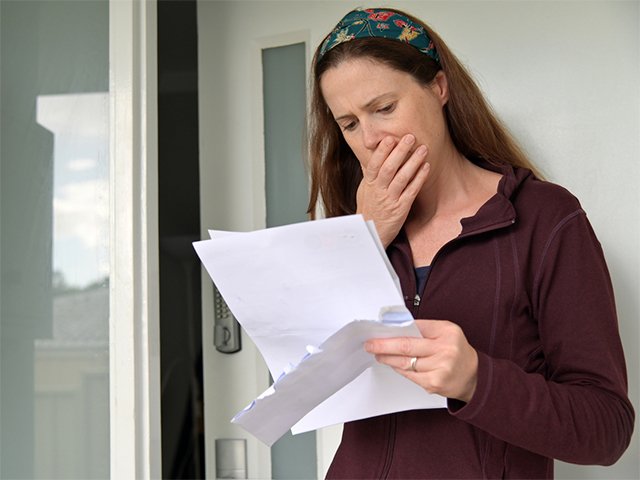
Even if you're new to voting, many of you have probably heard the phrase "Voting is compulsory in Australia." And while most people know they should vote, not everyone knows what actually happens if you don't, or why the rule exists in the first place.
This blog breaks down the consequences of not voting, how fines work, what counts as a valid excuse, and why showing up matters more than you might think. No legal jargon, no complicated explanations, just a simple guide to help you understand your responsibilities as a voter in Australia.
Why Is Voting Compulsory in Australia?
Australia is one of the few countries in the world where voting is mandatory. But it's not about forcing people to choose a side; it's more about making sure elections are fair, representative, and balanced.
Here's why compulsory voting exists:
-
It ensures everyone has a say, because if only a small group of people voted, election results would reflect only their interests, not the whole country.
-
It protects equal voting rights in the country so that everyone gets one vote, regardless of age, income, background, or beliefs. Making voting compulsory keeps things fair.
-
It encourages participation because democracy only works when people actually take part. Compulsory voting boosts turnout and stabilises elections.
-
It stops extreme groups from dominating over minority groups. If only highly passionate or extreme voices voted, they could overpower everyone else who stayed home, and mandatory voting prevents this imbalance.
Even though voting is compulsory, who you vote for is your choice, and the secret ballot ensures your vote is private.
What Happens If You Don't Vote?
Missing one election doesn't mean the government will come knocking on your door. But there are official steps the Australian Electoral Commission (AEC) takes when someone doesn't show up on voting day.
Here's the process:
1. You receive a "failure to vote" notice. The AEC sends a letter asking why you didn't vote. This is your chance to explain, and sometimes it's all you need to do.
2. You can respond with a valid reason. In this letter, you can:
-
Provide a valid explanation.
-
Lodge a valid excuse.
-
Confirm or update your enrolment details.
-
If your reason is accepted, the matter is closed, no penalty.
3. If you don't respond or give no valid reason, you get a fine:
-
For most federal elections, the fine is $20.
-
If you ignore this fine, the cost may increase, as state enforcement agencies may add additional fees.
4. Continuing to ignore can lead to bigger consequences because if fines are left unpaid or ignored, the issue can escalate to:
-
Higher penalties
-
Additional administrative fees
-
In rare cases, court involvement
But this only happens if you continually ignore notices, and that's something that's easily avoided by responding early.
What Counts as a Valid Excuse for Not Voting?
Life happens. People get sick, emergencies pop up, or you might be travelling somewhere remote. The AEC knows this, and the law makes space for real-life situations.
Here are examples of valid reasons for missing an election:
-
Illness or injury, such as if you were sick or unable to vote due to a medical issue.
-
Being outside Australia, and if you were overseas during the election period and couldn't vote.
-
Natural disasters or emergencies that have occurred, such as floods, fires, and other emergencies, are valid excuses.
-
Religious or cultural reasons, and if your beliefs prevented you from attending a polling place.
-
Not being able to get to a polling place for reasons beyond your control, such as transport problems or sudden disruptions, can be considered.
-
Mistakes made by the AEC, such as incorrectly marking yourself as having missed the vote.
You usually only need to briefly explain your situation. The AEC isn't out to punish people; it is seeking an honest reason.
What Does Not Count as a Valid Excuse?
Some explanations might sound believable, but they don't meet the legal requirements.
Here are examples that typically won't be accepted:
-
"I forgot."
-
"I didn't feel like it."
-
"I don't care about politics."
-
"The weather was bad."
-
"I couldn't be bothered lining up."
Compulsory voting means that choosing not to vote without a valid reason is technically breaking the law, even if the consequences are usually small.
How to Avoid Missing Your Chance to Vote
Voting in Australia is actually quite flexible, so you don't need to wait until the exact election day. You can vote early in person, as early voting centres open around two weeks before election day. Some voters apply for a postal vote, which works well if you're busy, travelling, or working, by requesting ballot papers to be mailed to your home address.
It's also worth keeping your enrolment details up to date to ensure you receive the correct information, and setting reminders on your phone, as the AEC always announces election dates well in advance.
Why Voting Matters More Than You Think
It's easy to feel like your vote doesn't make a difference, but it absolutely does.
Your vote decides who makes the rules that shape your life. From HECS fees to job laws to climate policy, the people you vote for influence decisions that affect your future. It's true - young voters change election outcomes. Politicians pay attention to the groups that show up. When more young people vote, policies shift toward things that matter to your generation.
When all Australians vote, it strengthens the electoral system, and Australia is known for stable, fair elections. Even if you're not into politics, voting is a simple way to take control of your future, so choosing not to vote hands your influence to someone else.
Missing a vote might seem like no big deal… until the notices arrive!
Compulsory voting isn't about punishing people. It's there to protect fairness, equality, and representation. If you want more information about voting in Australia, go to the Australian Electoral Commission website.
Voting is your chance to influence the issues that matter most to you, from jobs and education to housing and the environment. By showing up, you're doing your part to make sure Australia stays a place where everyone's voice counts.
Have You Seen This?
Lifestyle
Lifestyle - For all the interesting topics surrounding healthy living, lifestyle and leisure.

Don't Miss Your Vote: How to Keep Your AEC Registration Up to Date
Learn how to update your voting details with the Australian Electoral Commission

Why Volunteering on Australian Voting Days Counts
Australians volunteer to help make elections fair, efficient, and accessible

Behind the Ballot: How Votes Are Counted, and Elections Stay Fair in Australia
Learn about voting in Australia, how votes are counted and how elections stay fair
Go to Guide to Understanding Your Australian Voting Ballot
If you are voting for the first time, learn about the ballot paper and tick boxes
Your Vote, Your Future: How One Ballot Can Change Australia
Learn how voting works behind the scenes, and how your ballot influences politics

A Simple Guide to Voting in Australia for First-Time Voters
What to expect, learn the basics of voting for the first time in Australia




MORE
GIRL.COM.AU
CONTACT US
FOLLOW US ON