Your Vote, Your Future: How One Ballot Can Change Australia
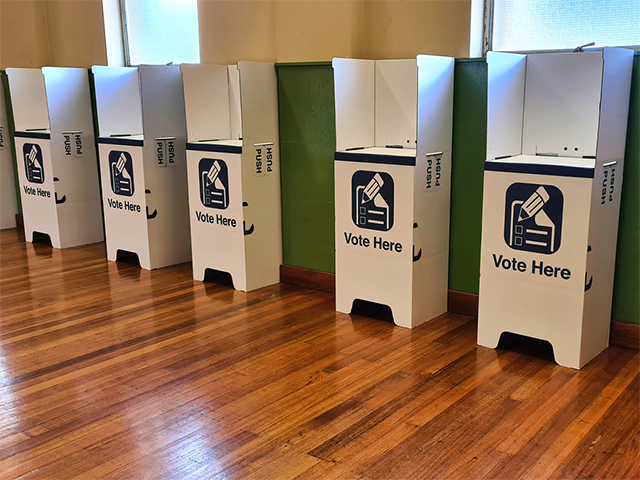
If you're voting for the first time, it's completely normal to wonder: Does my vote even matter?
After all, Australia has millions of voters, and you're just one person. But here's the truth: your vote carries real power because it shapes who leads the country, how money gets spent, and what issues get attention!
This guide breaks down exactly how voting works behind the scenes, how your ballot influences major decisions, and why your first and second preferences matter more than you might think.
Why Your Vote Matters in a Democracy
Australia is a democracy, which means the people, not kings, corporations, or armies, decide who leads. Voting is the tool that makes this possible.
When you vote, you're choosing:
-
Who represents your local community
-
Who gets to form the government
-
Which ideas and policies get prioritised
-
What direction the country moves in for the next few years
Think of voting as picking the driver of a bus. You and millions of others get on board, and the person you choose decides the route, the turns, the stops, and the speed. When you vote, you help decide who sits behind the wheel.
The Power You Give Politicians When You Vote
A politician isn't just a person with a title. When they win, they gain the authority to:
-
Make new laws
-
Change or remove existing laws
-
Approve government budgets
-
Direct funding to certain services
-
Influence national priorities (like health, education, climate, housing, or jobs)
-
Represent your community in parliament
By voting for someone, you're permitting them to act on your behalf. If they win, they get the power to make decisions that affect:
-
Your studies
-
Your job opportunities
-
Your rent or housing
-
Your healthcare
-
Your digital rights
-
Your local environment
-
Your safety and privacy
-
Your future costs of living
So your vote isn't just symbolic, it literally hands political power to someone whose decisions shape everyday life.
How Votes Shape Government Policies
The government, once elected, makes choices about what to prioritise. These decisions often depend directly on what voters care about.
When young voters show strong support for specific issues, politicians pay attention because they want to stay in office. Voting helps communicate what matters to your generation.
Here are some ways voting has influenced and how election results can shape changes:
Education and Training
-
University HECS fees
-
TAFE funding
-
Youth apprenticeships
-
Support for international students
Climate and the Environment
-
Renewable energy targets
-
Climate action strategies
-
Environmental protection laws
-
Support for green jobs
Health and Mental Health
-
Medicare funding
-
Mental health services for young people
-
Cost of prescriptions
-
Hospital upgrades
Housing and Cost of Living
-
Rent caps or rental assistance
-
First home buyer schemes
-
Tax policies
-
Wages and employment protections
Technology and Digital Rights
-
Online safety
-
Data privacy
-
AI regulations
-
Internet access
These aren't "political issues", they're everyday life issues, and elections decide how much attention and funding they receive.
Real-World Examples of Elections Changing Things
To show how powerful elections can be, here are a few situations where votes made a clear difference!
Example 1: Marriage Equality (2017)
Even though it happened outside an election, the government initiated the national postal survey on marriage equality, as elected politicians were already under pressure from voters to address it. Public support forced political action, leading parliament to legalise same-sex marriage shortly thereafter.
Example 2: Climate Policy Changes
In several recent elections, strong youth turnout influenced parties to commit to more ambitious climate targets. After changes in government, policies shifted toward renewable energy and emissions reductions.
Example 3: Increased Mental Health Funding
Young voters repeatedly raised mental health as a top priority. As a result, governments introduced new funding for youth mental health services and expanded Medicare rebates.
Example 4: Changes to HECS Indexation
Youth advocacy and election pressure helped push governments to review HECS indexation and student debt policies. Voting showed politicians that young people were demanding action.
How First and Second Preferences Influence Outcomes
Australia's preferential voting system means your vote is more powerful than in countries with simple one-tick systems.
Your First Preference (Number 1) is the candidate or party you want most. If they get enough first-preference votes, they can win outright.
Your Second Preference (Number 2) means that if your first choice doesn't get enough support and is eliminated, your vote moves to the candidate you marked with number 2.
This process continues through your third, fourth, fifth preferences " however many candidates you number!
This matters because:
-
Your vote is never wasted
-
Even smaller parties can influence results
-
Major parties pay attention to where younger voters send their preferences
-
They influence the final outcome in close races.
Your Vote Can Decide Close Electorates
Many seats in Australia are decided by just a few hundred votes. Some have been decided by fewer than 50 votes! If thousands of 18–23-year-olds skip voting, election outcomes can swing in the opposite direction, and policies for your generation may be ignored.
Politicians focus on the groups that show up to vote. When young people vote in high numbers:
-
Climate becomes a priority
-
Mental health funding increases
-
Youth programs and job support improve
-
Digital rights and online safety gain attention
-
Student costs and debt become major issues
When young people don't vote, those issues drop down the political list. Your generation is one of the most diverse, connected, and socially aware groups in Australia's history, and when you vote, you reshape the national conversation.
Need more advice about voting in Australia? Visit the Australian Electoral Commission website.
image credit istock Alistair McLellan
Have You Seen This?
Lifestyle
Lifestyle - For all the interesting topics surrounding healthy living, lifestyle and leisure.
Go to Guide to Understanding Your Australian Voting Ballot
If you are voting for the first time, learn about the ballot paper and tick boxes
Behind the Ballot: How Votes Are Counted, and Elections Stay Fair in Australia
Learn about voting in Australia, how votes are counted and how elections stay fair

Why Volunteering on Australian Voting Days Counts
Australians volunteer to help make elections fair, efficient, and accessible

Skipping Election Day? What Happens If You Don't Vote in Australia
Learn why voting is compulsory in Australia and what happens if you skip it

Don't Miss Your Vote: How to Keep Your AEC Registration Up to Date
Learn how to update your voting details with the Australian Electoral Commission
A Simple Guide to Voting in Australia for First-Time Voters
What to expect, learn the basics of voting for the first time in Australia




MORE
GIRL.COM.AU
CONTACT US
FOLLOW US ON