Go to Guide to Understanding Your Australian Voting Ballot
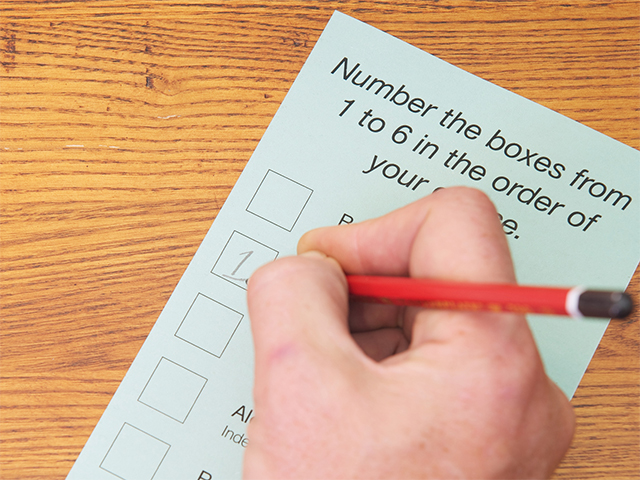
If you're gearing up to vote for the first time, the ballot paper might look a bit confusing at first glance! There are lots of boxes, lots of party names, and some instructions that sound a little more serious than they need to be. But once you understand how it works, filling out a ballot becomes quick, easy, and actually pretty logical.
This guide breaks down the layout, the boxes, preferences, and how your vote gets counted, all in simple terms for young Australians voting for the first time.
What Is a Ballot Paper?
A ballot paper is the form you use to vote in an Australian election. It's the official document where you mark your choices. Depending on which election you're voting in, federal, state, or local, the ballot paper may look slightly different, but the core idea stays the same:
You number the candidates or parties in the order you want.
Unlike in some other countries, where you tick one box and you're done, Australia uses a preference voting system, which means the order of your numbers matters.
The Two Types of Federal Ballot Papers
During a federal election, you get two different ballot papers:
1. The Green Ballot – House of Representatives
This is the one used to elect your local member of parliament (MP). It's usually a shorter list.
2. The White Ballot – Senate
This one is long… really long. It lists parties and individual candidates across the whole state or territory.
Both are important to understand, so let's break down how they work.
How the Green Ballot (House of Representatives) Works
The green ballot is the simpler of the two.
You will see:
-
The names of candidates
-
The political party they represent (or "Independent" if not part of a party)
-
Empty boxes next to each name
Your job is to number every box, starting with 1 for your top pick, 2 for your second choice, and so on until all boxes are filled. Why number every box?
Because the House of Representatives uses full preferential voting, which means:
-
Every single box must have a number
-
No numbers can be repeated
-
No box can be left blank
If you leave any boxes empty, your vote might not be counted.
How the White Ballot (Senate) Works
The white Senate ballot paper looks overwhelming because it's enormous, and it's meant to be. The good news? You've got two ways to vote:
Option A: Vote Above the Line
This is the most popular choice. You only need to number at least 6 boxes above the thick horizontal line. These boxes represent political parties, not individual candidates.
-
1 = your top party preference
-
2 = your next choice, and so on
-
You can number more than 6 if you want, but 6 is the minimum.
Option B: Vote Below the Line
Here, number individual candidates, not parties, and you must number at least 12 boxes, starting with 1.
This takes longer and requires more attention, so most first-time voters choose the "above the line" option.
What Do the Boxes and Party Names Mean?
Each box represents a candidate (green ballot) or a party or candidate (white ballot). When you put a number in a box, what you are basically saying is:
-
1 = "This is my first choice"
-
2 = "This is my next favourite"
-
3, 4, 5… = "If the candidates above don't make it, use this vote next"
The order of your numbers matters more than anything else on the ballot!
Political parties you may see include:
-
Australian Labour Party
-
Liberal Party
-
National Party
-
The Greens
-
One Nation
-
Independents
-
State-based or smaller parties, depending on where you live.
But the ballot itself will clearly list everyone running in your area.
The Easy Way to Understand How Preferences Work
Australia uses a preferential voting system, which means your vote can be transferred from your first choice to your second if needed. This gives your vote more power and helps ensure someone wins with the proper backing of voter support.
Here's how it works:
-
First Preference (Number 1) - This is your favourite candidate or party.
-
Second Preference (Number 2) - If your #1 candidate doesn't get enough votes and is knocked out, your vote moves to the person you put at #2.
-
Third Preference (Number 3) - If the #2 candidate drops out, your vote moves next to #3.
-
This continues until someone wins.
Nothing is wasted " your vote keeps helping until someone is elected.
What Happens If You Leave a Box Blank?
Good question! This depends on which ballot you're using.
-
If voting using the Green Ballot (House of Reps), leaving even one box blank may make your vote invalid, as all boxes must be numbered.
-
If voting using the White Ballot (Senate) and voting above the line, then you must number at least 6 boxes. If you only mark 1–5, your vote might not count.
-
If voting using the White Ballot (Senate) and voting below the line, you must number at least 12 boxes.
What Makes a Ballot Invalid?
A ballot is considered "informal" (not counted) if:
-
Boxes are skipped or left blank (depending on ballot rules)
-
You repeat a number
-
You put ticks, crosses, or symbols instead of numbers
-
Your numbering isn't clear
-
You draw things on the ballot
-
You write identifying information (like your name)
The AEC wants your vote counted, so election staff are trained to accept ballots whenever possible, but clear numbering is the safest way to avoid mistakes.
Tips for Filling Your Ballot Correctly
-
Start by putting 1 next to your top choice.
-
Continue in order until you reach the last candidate or party.
-
Don't skip numbers.
-
Don't use symbols like ticks or crosses.
-
Take your time " there's no time limit in the booth.
And remember: polling staff can explain the process, but they cannot tell you who to vote for.
Why Understanding Your Ballot Matters
The ballot paper is where your voice becomes direct political power. When you understand how to fill it out correctly:
-
Your vote counts
-
Your preferences get used the way you intend
-
You help elect someone who represents your values
-
Getting this right means your vote has the strongest impact.
The Australian ballot system may look complicated at first, but once you know how preferences work and what the numbers mean, it starts to make a lot more sense. The key is simple: number the boxes in the order you want, and make your vote count.
Need more information? Visit the Australian Electoral Commission website.
Have You Seen This?
Lifestyle
Lifestyle - For all the interesting topics surrounding healthy living, lifestyle and leisure.
Go to Guide to Understanding Your Australian Voting Ballot
If you are voting for the first time, learn about the ballot paper and tick boxes

Behind the Ballot: How Votes Are Counted, and Elections Stay Fair in Australia
Learn about voting in Australia, how votes are counted and how elections stay fair

Why Volunteering on Australian Voting Days Counts
Australians volunteer to help make elections fair, efficient, and accessible

Skipping Election Day? What Happens If You Don't Vote in Australia
Learn why voting is compulsory in Australia and what happens if you skip it

Don't Miss Your Vote: How to Keep Your AEC Registration Up to Date
Learn how to update your voting details with the Australian Electoral Commission

A Simple Guide to Voting in Australia for First-Time Voters
What to expect, learn the basics of voting for the first time in Australia




MORE
GIRL.COM.AU
CONTACT US
FOLLOW US ON