When a Relationship Turns Unsafe: Recognising the Signs of Physical and Emotional Abuse
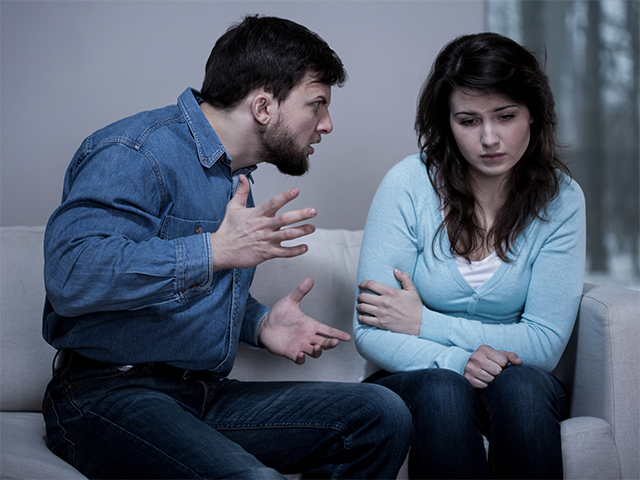
When questionable behaviours start to present themselves in your relationship, it can be easy to shrug these things aside in the guise of typical relationship problems.
However, it's important to be considerate of your partner's treatment. When bad habits start to become commonplace in your relationship, this could lead to a lifetime of hurt or massive regret.
As such, it's important to address the problem firsthand and make the brave decision to label the relationship as something unsafe. This can give you the initiative to take the right step to alleviate the problem.
That being said, it's important to know the signs of an unsafe and unstable relationship in the process.
It's easy to mix up normal relationship conflicts with actual harmful behaviour, especially if you have no basis to differentiate both categories.
If you're in that dilemma, then you're in the right place. This article will give you the signs that you may be experiencing physical and emotional abuse from your partner. Let's jump right into it.
6 Signs of Physical Abuse
Physical abuse is an instance when a perpetrator uses physical force directed to injure and cause harm to a victim.
This type of abuse can happen in many relational contexts, and one of the most common ways this manifests is in a romantic relationship.
Domestic abuse in this form can present itself in several ways. Here are some common examples of physical abuse occurring within a relationship.
1. Inappropriate Restraint
One form of physical abuse is when an individual's movement is excessively restricted without their consent.
When there's no justification for this movement restriction, this can be considered a violation of a person's autonomy.
This could cause psychological and physical trauma onto the victim, which in many instances, is valid grounds for partners to split up.
2. Physical Assault
Physical assault is another type of abuse that's deemed unsafe.
This involves a perpetrator deliberately causing a form of physical violence that directly causes harm to a victim. Some examples of physical assault include punching, slapping, hitting, kicking, and biting. Whether such actions draw blood or not doesn't matter, it's the intent behind the act that does.
3. Pushing and Shoving
Another form of physical abuse is pushing and shoving.
This act can cause the victim to fall down and potentially get hurt due to the force of falling.
This can cause injuries of varying severity, which largely hinges on the surface where the victim falls onto"as well as the distance where they have fallen.
4. Hair Pulling
Pulling someone's hair can also constitute a breach of safety in a relationship.
This is a deliberate act that can cause sharp and sudden pain to a person, particularly those with long hair.
5. Exposure to Extreme Temperatures
Forcefully leaving your partner in uncomfortable temperatures"like locking them outside the house in torrential rainfall, blistering cold, or extreme heat"is also a form of violence.
6. Misuse of Food and Medication Portions
When a partner is responsible for another's medicinal or food intake, and deliberately changes the portion sizes to hurt or get their way without the partner's consent or knowledge, this is considered a grave form of abuse and can potentially be life-threatening to the affected individual.
4 Signs of Emotional Abuse
Gaslighting
Gaslighting is a type of emotional abuse wherein the perpetrator makes the victim in the relationship question their sanity or memory.
This form of abuse can erode a person's self-esteem, making it much harder for them to stand their ground and rely on themselves.
Criticism
When a person mocks and demeans their partner for no constructive reason, this can make someone feel unsafe in a relationship.
This is the case even if the partner doesn't inflict physical harm, as the psychological impact of being constantly berated can be enough to cause great mental anguish to the afflicted individual.
Isolation
When a person deliberately restricts their partner's contact with the outside world"whether that's meeting friends, talking with family, or even just going outside on their own accord"this can be a form of emotional manipulation, particularly when done excessively.
Refusal to Communicate
If a person withdraws or shuts down and doesn't communicate with their partner, especially during times of distress, this can absolutely be grounds for emotional manipulation and a lack of safety within the relationship.
What to Do When You're in an Unsafe Relationship
If you find yourself relating to any of these aforementioned signs, and want to take action to protect yourself while not triggering your partner's harmful habits, here are some ways you can keep yourself safe.
1. Seek Professional Help
A final and crucial piece of advice you should follow is to contact a professional organisation to support your case. Domestic violence is a finicky experience, and it's important to approach it delicately to ensure that you remain safe.
You can, for instance, contact organisations dedicated to protecting victims of domestic abuse. These organisations offer shelter and various resources to help you regain your footing and feel safe after removing yourself from an environment marred by domestic abuse.
You can also contact a common assault lawyer to help you seek justice for your case. They can represent you and give you ample resources to reclaim your agency.
2. Reach Out to A Trusted Person
Abuse thrives when the victim is kept in isolation and away from people who can help them.
Confide in a trusted person outside the relationship"whether that's a friend, a neighbour, or a parent"and let them know about your situation. This way, you'll always have someone to bail out to when things get too hairy.
3. Create an Escape Plan
If the relationship is rocky and dangerous, then you should create a plan that can bring you to safety.
When a situation warrants you to create space between your partner, then send your trusted preson and a message and set the plan in motion.
Identify places where you can hunker down and hide from your partner. Make sure you have access to your vital personal documents and smartphone. Then, contact your trusted person for help and support so that you can break free from your partner.
We hope that we've given you insights on a common domestic abuse situation and ways you can rise above it. If you're feeling small from your situation, know that you're not alone and there are ways to get support from these harmful acts. Take care out there.
Image credit istock KatarzynaBialasiewicz



MORE
GIRL.COM.AU
CONTACT US
FOLLOW US ON