Helping an Older Loved One Stay Independent at Home
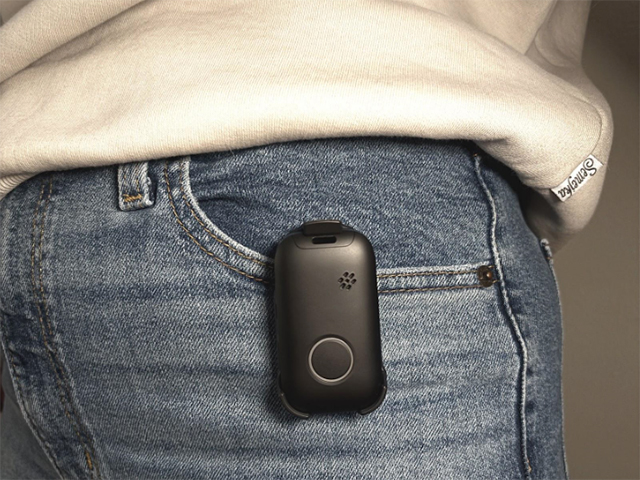
Image Credit Life Assure - mobile medical alert device on a belt clip
How Can You Help an Older Loved One Stay Independent?
Most older adults want the same thing. They hope to stay in their own home, on their own terms, for as long as possible. Families want that too, along with the comfort of knowing help is close.
A medical alert system can make that balance possible. Many families start their research online. A site such as www.lifeassure.com is a useful place to compare medical alert options for a parent or grandparent. The goal is simple. Keep the freedom, and add a safety net.
Life Assure is a Canadian company, and its monitoring service is available to customers in Canada only.
What Does Independence Mean for Older Adults?
Independence is not about doing everything alone. It is about staying in control of daily choices. Where to live, what to eat, and how to spend the day. That control is closely tied to confidence and mood. Small tasks carry big meaning. Making a cup of tea. Walking to the shops. Tending the garden. Protecting these habits protects a sense of self. A good safety plan supports that freedom rather than shrinking it. Families often wonder when to start looking. A few common signals point to the right moment. None of them means a loss of independence. They are simply cues to plan ahead. * A recent fall, or a near miss on the stairs. Any one of these is worth a gentle chat. Acting early keeps the choice calm and unhurried. It also gives your loved one time to get used to the idea. The system works quietly in the background. It only steps in when something goes wrong. That light touch is the whole point. Nothing about the daily routine has to change. Image Credit - medical alert home system full kit At the press of a button, a trained operator answers within about 30 seconds. They talk to your loved one and send the right help. For someone with early memory loss, GPS can also locate a person who wanders. Clear support from Dementia Australia is a helpful read for families in that situation. The device adds cover without taking over. There is no one-size-fits-all device. The right choice depends on daily life. Here are the main options. * Home base units. These cover the house and garden, usually within about 300 metres of the base. A device is only one layer. Daily habits do the heavy lifting for long-term health. Movement comes first. Gentle activity most days protects balance and mood, and advice from the Heart Foundation points to about 150 minutes a week. Wellbeing matters as much as fitness. Good sleep, social contact, and a sense of purpose all help. Practical tips on healthy ageing can guide small daily changes. Food is the third pillar. Appetite often fades with age, so meals need to work harder. A simple guide to getting enough nutrients helps keep energy and strength up. Protein at each meal is a good place to start. Take it step by step. A short checklist keeps the decision calm. Work through it together. 1. Match the device to how active your loved one is. Timing and tone shape how the idea lands. Raise it on a calm day, not right after a scare. A gentle start makes the rest easier. Patience helps far more than pressure. Lead with your own feelings. Say you would worry less, rather than pointing out what they can no longer do. Let them help choose the device, the colour, and where it lives. Shared decisions tend to stick. * Independence means staying in control of everyday choices. Yes, mobile pendants use GPS and mobile networks. They work anywhere with coverage, from the garden to the shops. Home-only units stay within range of their base. A trained operator usually answers within about 30 seconds. They speak to your loved one and send the right help. Most events are handled calmly through the two-way voice. No, most systems need just one button press. Fall detection can even raise an alert on its own. The setup is designed to be simple and forgiving. Yes, many providers offer an app for family members. It can share alerts and location updates. This keeps everyone in the loop without constant phone calls. Helping an older loved one stay independent is an act of respect. The aim is not to manage their life. It is to guard the freedom they have earned over many years. A medical alert system is one calm, steady part of that plan. It sits in the background and asks for nothing until the day it is needed. With it in place, your loved one keeps their routine, and your family gains real peace of mind. That trade, a little technology for a lot of reassurance, is one most families are glad to make.What Signs Suggest It May Be Time to Act?
* Slower recovery after an illness or a hospital stay.
* Living alone after the loss of a partner.
* Early memory lapses that sometimes lead to wandering.
* A health condition that can bring sudden episodes.
How Does a Medical Alert System Support Independence?
What Types of Systems Are Available?
* Mobile pendants. These use GPS and mobile networks for cover away from home.
* Wristband alarms. These suit people who dislike wearing a pendant.
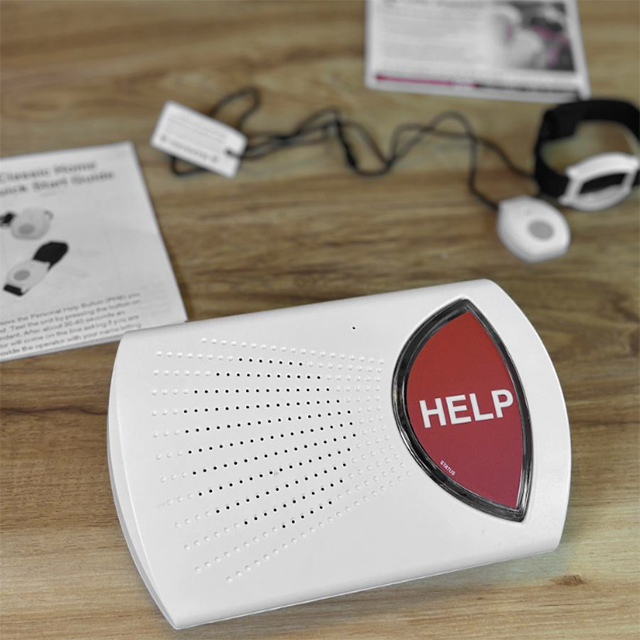
* Full home kits. These pair a base unit with wearable buttons in key rooms.Which Everyday Habits Keep a Loved One Well?
How Do You Choose the Right System?
2. Check for fall detection, GPS, and two-way voice.
3. Confirm the battery lasts 5 to 7 days between charges.
4. Look for monitoring by a trained centre, 24 hours a day.
5. Compare monthly costs, often $30 to $50, and any lock-in.
6. Ask about a trial period so the choice feels low-risk.How Do You Start the Conversation?
Key Points for Families
* A medical alert adds a safety net without taking over.
* Match the system type to how active your loved one is.
* Pair the device with movement, good food, and social contact.
* Raise the topic gently and share the decision together.Frequently Asked Questions
Do Medical Alert Systems Work Away From Home?
How Quickly Does Someone Respond to an Alert?
Are These Systems Hard for Older Adults to Use?
Can the Whole Family Stay Informed?
Independence Worth Protecting


MORE
GIRL.COM.AU
CONTACT US
FOLLOW US ON