Ceramic Braces vs Metal Braces
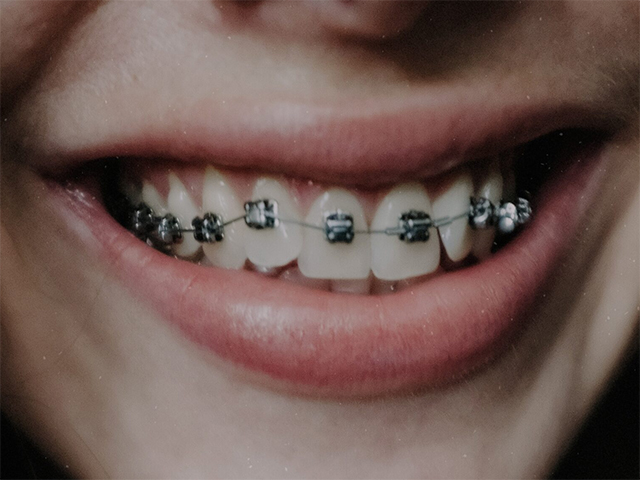
If you're thinking about orthodontic treatment, one of the first decisions you'll likely face is choosing between ceramic braces and traditional metal braces. Both options are highly effective at straightening teeth and correcting bite issues, but they differ in appearance, feel, and how they fit into everyday life.
So, to make things a little easier to understand, we've outlined everything you need to know about ceramic braces vs metal braces below. This, alongside advice from your dentist, should help make the decision of which is best feel less overwhelming and help you choose the option that suits your smile and lifestyle.
What Are Metal Braces?
Metal braces are probably the type of brace you picture when you think about braces overall. These use metal brackets bonded to the teeth and connected by a wire, which is gradually adjusted over time to move teeth into their correct position.
This type of brace has been used for decades, and they're incredibly effective, especially for more complex alignment or bite problems. Because of their strength and precision, metal braces are often recommended for younger patients or cases where a lot of movement is needed.
While metal braces are the most visible option, modern versions are smaller and more comfortable than they used to be, making them much less bulky than you might expect.
What Are Ceramic Braces?
Ceramic braces work in much the same way as metal braces, but the brackets are made from a tooth-coloured or clear ceramic material. This allows them to blend in more naturally with the teeth, making them a popular choice for teenagers and adults who want a more discreet orthodontic option.
In fact, from a distance, ceramic braces are far less noticeable than metal ones. This can be a big confidence boost for anyone who feels self-conscious about wearing braces at work, school, or social events.
Durability
Metal braces are extremely durable. They're far less likely to chip or break, and they can handle more force, which is why they're often the preferred choice for complex orthodontic cases. They also tend to move teeth slightly faster in some situations, simply because they can withstand stronger adjustments.
That's not to say that ceramic braces aren't durable, but the brackets are a little more fragile than metal ones. This doesn't mean they're unreliable, but it does mean patients need to be mindful of harder or sticky food that could cause damage to the brackets.
As with all elements of choosing between ceramic and metal braces, your orthodontist will help recommend the option that delivers the best results based on how much movement your teeth need.
Comfort
Both types of braces can feel uncomfortable at first, particularly after adjustments, but most people adapt within a few days. However, metal braces may cause slightly more irritation early on, but this can be eased with orthodontic wax.
Ceramic braces tend to feel smoother for some people, but because they're often a little larger than metal brackets, comfort levels vary from person to person. In practice, the difference is usually minimal once you've adjusted to wearing the braces.
Costs
Metal braces are usually the more affordable option, and many families choose them for that reason. Ceramic braces tend to cost a little more because of the materials being used, along with the added aesthetic benefit.
Overall, pricing varies depending on treatment length and complexity, but many people feel the extra cost of ceramic braces is worth it for the confidence they offer. Speaking with a trusted clinic like Gorgeous Smiles Orthodontics can help clarify which option suits both your needs and your budget best.
Which is the Right Option for You?
Choosing between metal and ceramic braces really comes down to a mix of personal preference and professional advice. If durability, affordability, and efficiency are your top priorities, metal braces may be the best fit. If a more discreet appearance matters and your case allows for it, ceramic braces can be an excellent alternative.
Final Thoughts
Both ceramic and metal braces are proven, effective ways to straighten teeth and improve oral health. The right choice doesn't come down to which option is better overall, though; it's about which fits your lifestyle, confidence, and personal orthodontic needs.
With expert guidance and a treatment plan tailored to you, either option can lead to a healthier, happier smile that lasts long after the braces have come off.


MORE
GIRL.COM.AU
CONTACT US
FOLLOW US ON