How to Enhance Fashion Lookbooks and Catalogs with AI
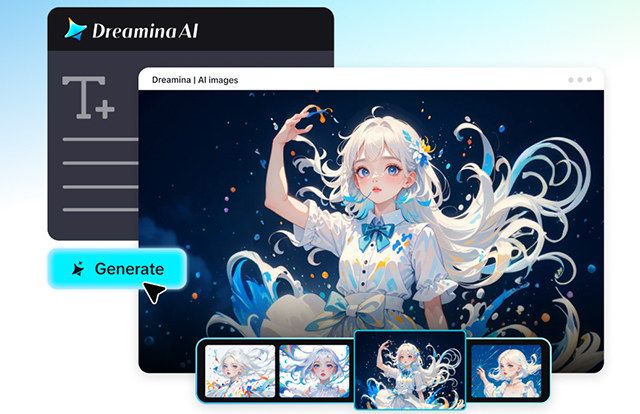
Fashion images have a tough task ahead. An image on a single page of a lookbook has to convey various aspects, like quality, fitting, feeling, along with brand identity in one look, necessarily in one glimpse only. In cases when images are not clear because of light, motion detection, or resolution constraints, the whole collection may give a poor brand experience. This is when AI enters to make image clearer without redesigning the whole image collection.
Dreamina features prominently in this transition. The software enables fashion experts to refine, upscale, and recreate images while maintaining the styling intention. Instead of relying on AI as an afterthought solution at the very end, the fashion industry now incorporates it as a creative process in ensuring that catalogs and lookbooks appear cohesive and ready for the runway.
Why fashion visuals require more than basic retouching
Fashion photographs differ from casual ones. They depend upon detailed information: fabric texture, lighting effects for silk fabric, and shadow definition for structure. The conventional photo editor may result in designers selecting between sharp photos and realistic ones.
AI-based enhancement techniques view images holistically. Clothing can be considered as textured objects rather than just an array of pixel data. The effect may be most valuable in situations where political campaign photos must be recycled or where there isn't time for additional photo shoots due to the rapid turnover of fashion collections.
In practice, AI assists fashion teams in the following ways:
- Restore fabric detail lost due to compression
- Skin tones and textures must be equally well-lit
- Preserve the same level of image quality for each seasonal drop
The end result is a list that feels carefully crafted rather than cobbled together.
Consistency in fashion trends with AI assistance
A problem with fashion catalog images is consistency. The images could be from different photo shoots, studios, or even different cities. Image enhancement by AI ensures that there is consistency in these images so that there is a unified story for the collection.
Using a similar logic of enhancement in all images, a brand can synchronize colors, focus, and contrasts. It's especially important in lookbooks on an e-commerce platform, where inconsistency in images can shatter trust on a buyer's part.
In some companies, there is also exploration of AI human generator technology to produce model looks for concept pages and digital previews for additional models, for which no extra models appear, as there are styling variations.
Static visuals to fashionable video visuals
Fashion catalogs are not static anymore. Today, most fashion brands are incorporating lookbook pictures into a short-format video for product launches on social platforms. These videos can now be made by AI technology based on improved pictures.
The video meme generator will work here solely as a visual tool, turning up high-quality fashion pictures into interesting videos based on textual inputs or example pictures. Videos will focus on demonstration and will not include captions or animation, so it is important that images are clear. Ideally, images will have detailed and clear fabric, silhouettes, and fashion elements, even with video rendering.
Thus, it helps brands scale their visual content while not compromising their aesthetic control.
When fabrics receive the second fitting: improvement with Dreamina
Dreamina makes AI optimization easier by providing a visual, intuitive process. This is particularly beneficial for fashion teams that want control without technical complexity.
Step 1: Upload your blurry image
First, log in to your Dreamina account and click on "Canvas" to access the workspace. Then click "Upload image" and upload your fashion picture, which may have a blur effect due to movement on the runway, poor lighting, or camera shake when handheld.
This will provide the AI with a clear and detailed image from which it will easily detect the edges, textures, and silhouettes for the enhancement process.
Step 2: Using repair tools
Next is selecting either Retouch for sharpening areas like seams, patterns, and facial features or choosing Creative Upscale for improving resolution without hampering fabric reality. In fact, most designers opt for a combination of these two plugins.
Step 3: Download your sharpened image
Once Dreamina has completed the image enrichment task, click on "Download" and save it to your device. Your enriched image will be ready to use in lookbooks, catalog production, campaign pages, or printing.
Improving fashion while maintaining the designer's intention
One of my concerns in fashion AI is overcorrection. Over-sharpened textures or artificial lighting can completely go against what the fashion designer wanted to convey.
The addition of AI works much better when it complements the design and does not work against it. Thus, it is about improving upon clarity while maintaining the colors, cuts, and proportions. Dreamina's selective tools offer ease in enhancing areas without having to recreate the entire image.
Collaborative workflows powered by AI
AI-optimize lookbooks are also known to enhance collaboration. Everyone can finally work from a single, polished set of images instead of trying to synchronize multiple versions.
It also creates a common visual vocabulary that assists:
- Accelerate approvals
- Cut back-and-forth edits
- Align creative and commercial departments
Since everyone can see the collection at its best, the decision-making process is easier and faster.
Fashion catalogs designed for all screens
Today's fashion catalog must work on mobile, desktop, and print media. AI image upscaling is used to ensure sharp images, regardless of resolution or distribution medium.
Improved visuals:
- Load well on high-resolution displays
- More realistic printing without many artifacts
- Keep details in zoomed images of products
This flexibility can help brands relying on global platforms greatly.
Conclusion: AI is the quiet stylist in the background
AI is not meant to replace creative direction for fashion, but rather complement it. Through improving clarity, consistency, and presentation, AI enables lookbooks and catalogs to express their creative vision.
Dreamina removes this problem by giving fashion departments tools to enhance photos without compromising their style. Be it improving photos of their latest collection or designing their seasonal magazines, fashion brands can rely on their silent stylist in the form of artificial intelligence.

MORE
GIRL.COM.AU
CONTACT US
FOLLOW US ON